To know how to choose an e-scooter, the first thing to consider is how you’ll be using it. A model for zipping around town for a few minutes has different requirements to one designed for touring, longer journeys or travelling over uneven ground.
You also need to look at specific features: real-world range, speed, tyre type, weight, folding mechanism, brakes and lights. These elements all influence comfort, safety and ease of use, whether you’re looking to buy or thinking of hiring one during your holiday.
In this guide, we’ve put together some tips on how to choose an e-scooter and find a model that’s perfectly suited to your route, your budget and your riding style.
What will you be using the scooter for?
Before focusing on specific models, decide what you want the scooter for. You might use it for getting around town, exploring a tourist area whilst on holiday, or making slightly longer trips without relying on a car.
For short and simple trips, you’ll need a model that’s easy to handle, with good stopping power and a range suited to the journey. For longer routes, streets with hills or uneven surfaces, you’ll be better off with a more stable scooter, featuring a larger battery and tyres that better absorb vibrations.
You should also think about what you’ll do with it when you’re not using it. If you need to fold it up, carry it into your accommodation, store it in a tight space or combine it with other forms of transport, the weight and folding system become much more important.
Range, battery and speed
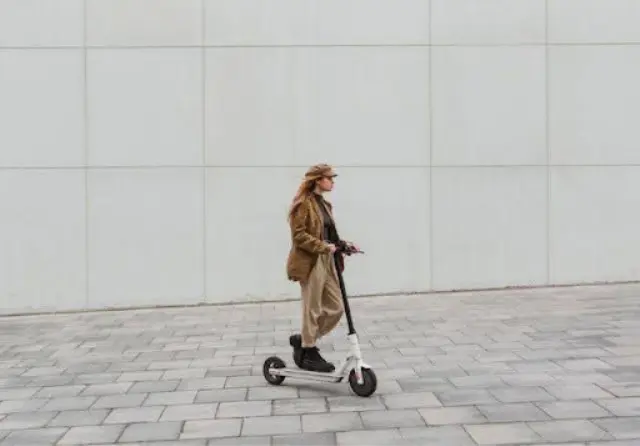
Range tells you how many kilometres the scooter can cover on a single charge, but the manufacturer’s figures should always be taken as a rough guide. In practice, the battery life will vary depending on the rider’s weight, hills, road surface, tyre pressure and riding style.
If you’re only taking short trips around town, a moderate range should be enough. For longer routes or if you’ll be out for several hours on holiday, it’s best to choose a model with a larger battery. This way, you avoid running low and can make stops or small detours without constantly checking the remaining percentage.
Top speed is usually limited by local regulations, so it shouldn't be the main factor in your decision. Focus more on how it delivers power: does it accelerate jerkily, does it lose power on hills, or does it allow you to maintain a steady rhythm without juddering? To know how to choose the best e-scooter, that motor response is far more useful than a high top-speed figure.
Tyre type and riding comfort
Tyres influence your experience far more than you might think when choosing an e-scooter. They don’t just affect comfort; they also change stability, grip and the feeling of control when the road surface isn’t perfect.
Solid tyres have a clear advantage: they prevent punctures and require less maintenance. They work well for urban journeys, bike lanes and smooth surfaces. On the flip side, they absorb vibrations less effectively, so the handlebars may transmit more shocks if you ride over cobbles, asphalt joints or slightly deteriorated areas.
Pneumatic (air-filled) tyres are more comfortable because they cushion road imperfections better. They also tend to offer more grip, especially on long routes or less uniform pavements. Their weak point is maintenance: you need to check the pressure and they can puncture if you ride through areas with broken glass, stones or kerbs in poor condition.
Wheel size is also important. A larger wheel rolls over small bumps more easily and provides more stability. Conversely, a small wheel can make the scooter more agile and compact, but also twitchier if the terrain isn’t ideal.
Weight, folding and transport
Will you need to carry the scooter by hand at any point? If so, you’ll need to consider its weight. If you’re just riding it and leaving it parked, this factor is less important. For taking it into your home, putting it in the car, storing it at your holiday accommodation or carrying it on public transport, you’ll want a model that’s more manageable.
A lightweight scooter is easier to fold, lift and store in a small space, although it usually offers less range and feels less solid than a more robust model. Heavier scooters may provide more stability and handle long trips better, but they are less practical if you have to carry them by hand several times a day.
The folding system must be easy to use and lock securely. If you’re going to combine the scooter with other types of travel, make frequent stops or keep it in the car, a quick and firm latch will save you a lot of hassle.
Safety: Brakes, Lights and Stability
The safety of an e-scooter depends on braking, visibility and stability. When choosing an e-scooter, check these points, as they are what you’ll notice most when riding in traffic, shared zones or on routes with frequent stops.
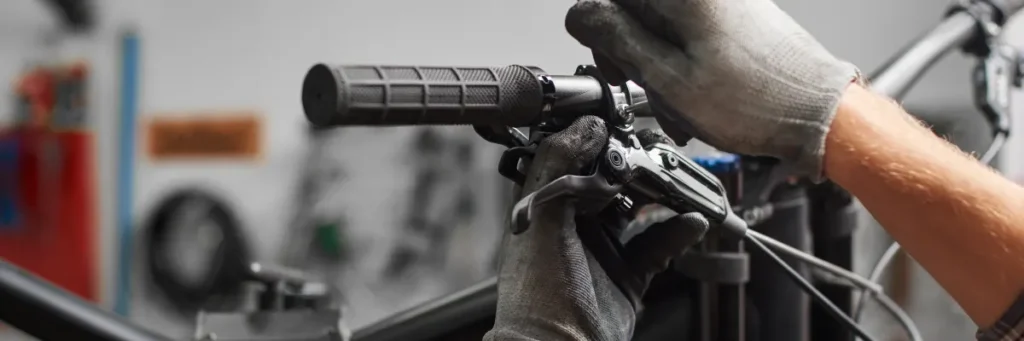
Brakes must respond progressively and without jerking. A sudden jolt can make you lose stability, while brakes that are too weak will increase your stopping distance. Disc brakes usually offer good performance, but the key is that the system is well-adjusted and allows you to control the scooter without feeling unsafe.
Lights are also essential, even if you’re only riding during the day. The front light helps you see better in poorly lit areas, and the rear light lets other road users spot you sooner. Reflectors, a bell and good side visibility also add to your safety when sharing space with pedestrians, cyclists or cars.
Stability depends on the whole package: wheels, deck, handlebars, scooter weight and steering response. A stable model gives you more control on corners, gentle descents, tight turns or uneven surfaces. That’s why, before deciding, test how it behaves when braking, turning and changing pace.
Budget: When does it make sense to buy vs. hire?
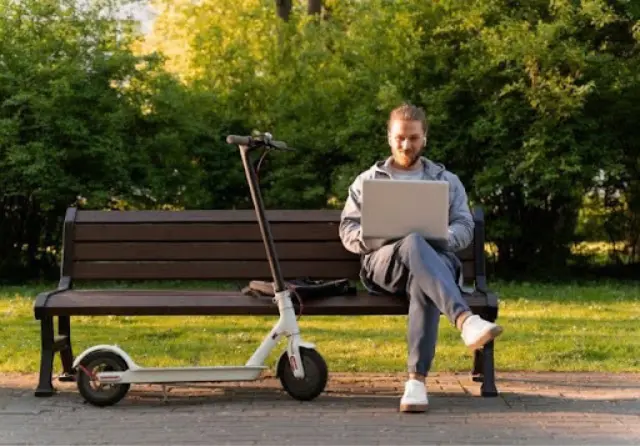
If you’re thinking about your budget, don’t just consider the price of the scooter. You should also think about how much you’ll use it, what the maintenance will be like, how much it costs to replace a battery, whether spare parts are available and where you’re going to store it.
Buying might make sense if you’re going to use the scooter frequently and you’re clear on what model you need. In that case, check the quality of the battery, brakes, tyres and the cost of any potential repairs.
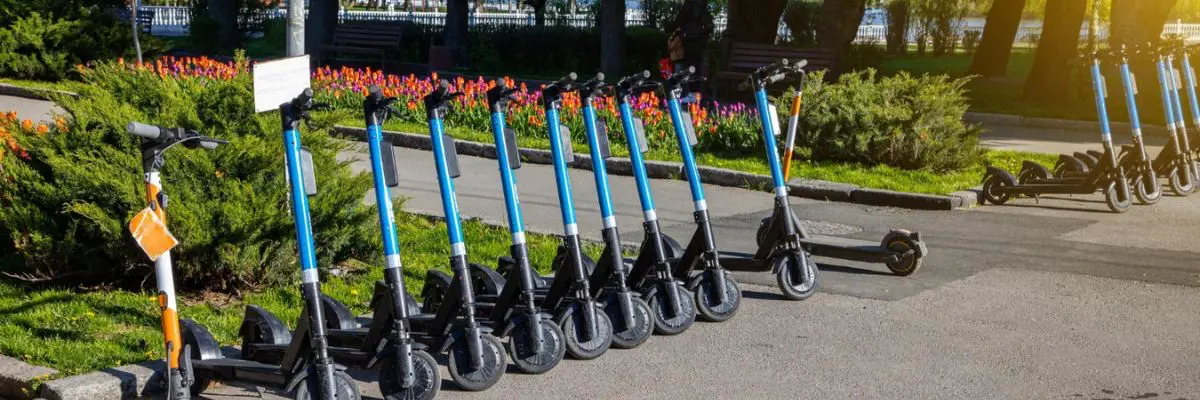
Hiring can be an excellent option if you need one during a holiday, for a specific route or to test the experience before buying. It allows you to use a scooter that’s prepped for the journey without worrying about maintenance or storage at home
Summary table for choosing an e-scooter
After reviewing usage, range, tyres, weight and safety, you can organise your decision with this table:
| If you’re using the scooter for... | Focus primarily on... | Why it matters |
| Short trips around town | Weight, braking and manoeuvrability | It will help you zip around and control the scooter better on streets with frequent stops. |
| Longer routes | Range, battery and comfort | You’ll need more battery margin and a model that doesn’t become uncomfortable after several kilometres. |
| Areas with hills | Power and motor response | The scooter needs to maintain a good pace without losing power on inclines. |
| Uneven surfaces | Tyres, suspension and stability | Suitable tyres reduce vibrations and improve control. |
| Trips or holidays | Folding, weight and ease of transport | You might have to store it, carry it by hand or combine it with other travel methods. |
| Frequent use | Battery quality, brakes and spare parts | In the long run, maintenance, durability and part availability are what matter. |
Test the scooter before deciding
Before deciding, get on the scooter and check how it feels to ride. Your posture should be comfortable, the handlebars should be at a suitable height, and the deck should give you enough space to place your feet properly.
Also check how it accelerates and brakes. The scooter should respond smoothly, without jerking, and allow you to come to a safe stop. If the braking feels jerky or too weak, you’ll notice it straight away.
Also test the folding, the weight and the feeling of stability. A scooter might look good on paper, but feel uncomfortable if it’s hard to move, vibrates too much or doesn’t give you control when turning.
If you’re in Gran Canaria, you can opt for e-scooter hire in Gran Canaria with Scooter and Bike Rental. It’s a simple way to test a model designed for getting around the island without having to buy one of your own.