The first step in choosing an electric scooter is to think about how you intend to use it. A model designed for short city journeys has very different requirements from one intended for exploring a holiday destination, covering longer distances or riding over uneven surfaces.
You’ll also need to look at key features such as real-world range, top speed, tyre type, weight, folding mechanism, brakes and lights. These factors have a direct impact on comfort, safety and ease of use, whether you’re planning to buy a scooter or simply hire one during your holiday.
In this guide, you’ll find practical advice to help you choose an electric scooter that suits your route, your budget and the way you like to travel.
Think About How You’ll Use Your Electric Scooter
Before comparing specific models, decide what you actually need the scooter for. You might use it for getting around town, exploring a tourist destination during your holiday or covering longer journeys without relying on a car.
For short, straightforward trips, you’ll need a model that’s easy to handle, offers reliable braking and provides enough battery range for your daily journeys. If you’re planning longer rides, tackling hills or travelling over uneven roads, it’s worth choosing a scooter with greater stability, a larger battery and tyres that absorb vibrations more effectively.
You should also consider what happens when you’re not riding it. If you’ll need to fold it, carry it into your accommodation, store it in a limited space or combine it with other forms of transport, both the scooter’s weight and its folding system become much more important.
Battery Range, Performance and Speed
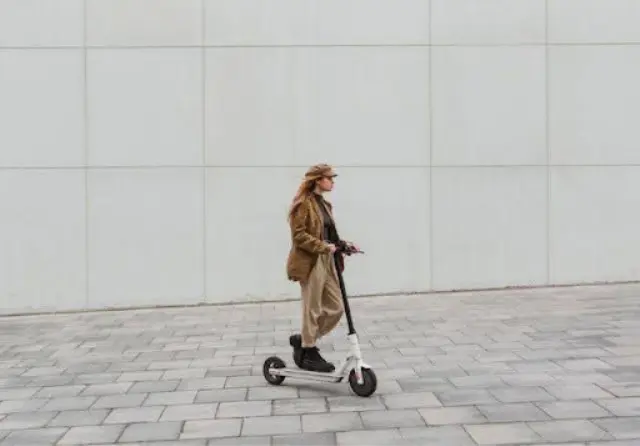
Battery range tells you how far an electric scooter can travel on a single charge, but the manufacturer’s figures should always be treated as an estimate. In real conditions, range varies depending on the rider’s weight, gradients, road surface, tyre pressure and riding style.
If you’ll mainly be making short urban journeys, a moderate battery range may be perfectly adequate. For longer routes or full days exploring during your holiday, it’s worth choosing a scooter with a larger battery. This gives you extra flexibility, allowing for stops and detours without constantly worrying about the remaining charge.
Maximum speed is generally limited by local regulations, so it shouldn’t be the deciding factor. Instead, pay attention to how the motor delivers its power. Does it accelerate smoothly? Does it lose performance on hills? Can it maintain a steady pace without sudden surges? When deciding how to choose the best electric scooter, these characteristics are far more useful than a high top speed on paper.
Tyre Types and Riding Comfort
Tyres play a much bigger role than many people realise when choosing an electric scooter. They don’t just affect comfort—they also influence stability, grip and overall control when the surface isn’t perfectly smooth.
Solid tyres have one major advantage: they can’t puncture and require very little maintenance. They perform well on urban streets, cycle lanes and smooth pavements. The downside is that they absorb fewer vibrations, so you’ll notice more bumps when riding over cobblestones, road joints or worn surfaces.
Pneumatic tyres provide a more comfortable ride because they cushion uneven terrain more effectively. They also tend to offer better grip, particularly on longer routes or rougher roads. Their main disadvantage is maintenance: tyre pressure needs checking regularly and punctures remain a possibility if you ride over broken glass, sharp stones or damaged road edges.
Wheel size also makes a noticeable difference. Larger wheels cope better with small obstacles and improve overall stability. Smaller wheels make the scooter more compact and agile but can also feel less stable when the road surface becomes uneven.
Weight, Folding and Transport
Will you ever need to carry your scooter? If so, weight becomes an important consideration. While riding or parking it, weight matters less. However, if you’ll need to carry it upstairs, lift it into your car, store it in your accommodation or take it on public transport, a lighter model will be much easier to manage.
Lightweight scooters are easier to fold, lift and store in small spaces, although they often offer shorter battery range and may feel less solid than heavier models. Larger scooters generally provide better stability and greater comfort on longer journeys but are less practical if you’ll be carrying them several times throughout the day.
The folding mechanism should be quick, intuitive and lock securely into place. If you’ll regularly combine your scooter with other forms of transport or make frequent stops, a reliable folding system makes everyday use much more convenient.
Safety: Brakes, Lights and Stability
The safety of an electric scooter depends largely on its braking performance, visibility and stability. These are the features you’ll notice most when riding through traffic, shared spaces or routes with frequent stops.
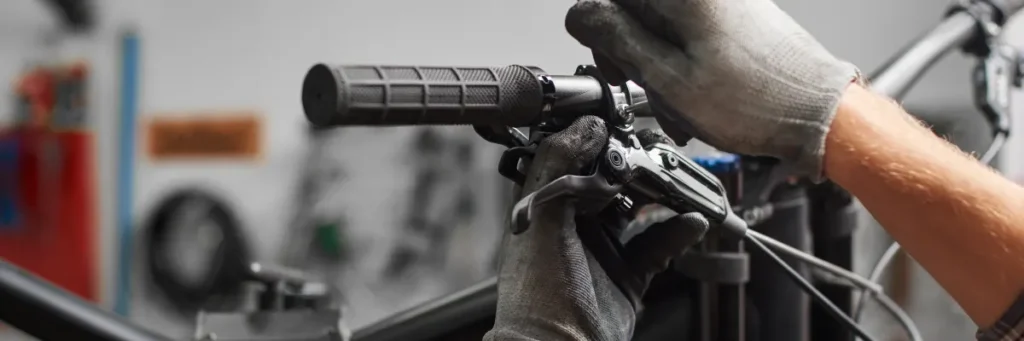
The brakes should operate progressively and predictably. Braking too abruptly can reduce stability, while weak brakes increase stopping distances. Disc brakes usually provide excellent performance, although what matters most is that the braking system is properly adjusted and inspires confidence while riding.
Lights are equally important, even if you mostly ride during daylight hours. A front light improves visibility in poorly lit areas, while a rear light makes it easier for others to spot you. Reflectors, a bell and good side visibility also contribute to safer riding when sharing the road with pedestrians, cyclists and motorists.
Stability depends on the overall design: the tyres, deck, handlebars, scooter weight and steering response all play a role. A stable scooter gives you greater confidence through bends, on gentle descents, during tight turns and over uneven surfaces. Before making your decision, test how it behaves when braking, steering and changing speed.

Budget: When Buying Makes Sense and When Hiring Is the Better Option
When considering your budget, don’t focus solely on the purchase price. It’s also worth thinking about how often you’ll use the scooter, future maintenance costs, battery replacement, spare parts availability and where you’ll store it.
Buying can be worthwhile if you plan to ride regularly and already know which type of scooter suits your needs. In that case, pay close attention to battery quality, braking system, tyres and the cost of potential repairs.
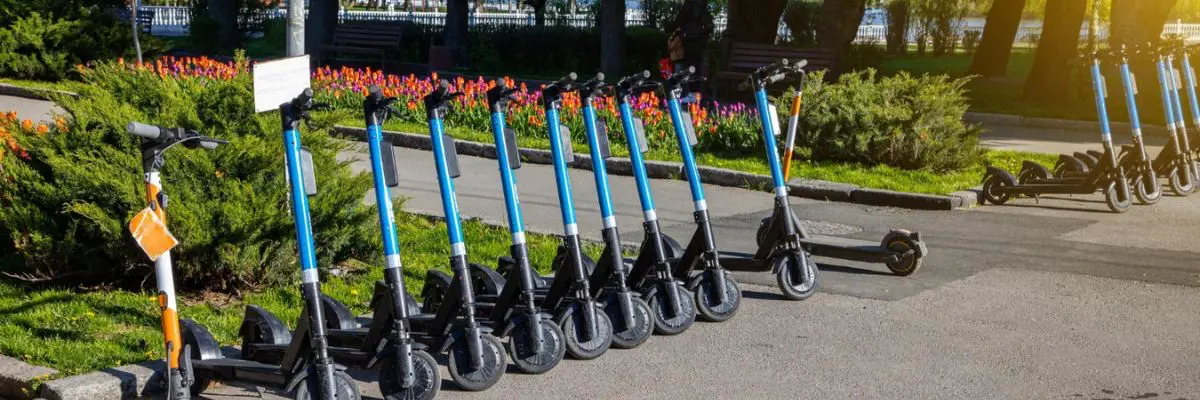
Hiring is an excellent alternative if you only need a scooter for a holiday, a specific route or simply want to try the experience before buying one. It allows you to ride a well-maintained scooter without worrying about servicing or storage once you’re back home.
Quick Guide to Choosing an Electric Scooter
After considering intended use, battery range, tyres, weight and safety, this summary table can help simplify your decision.
| If you’ll use the scooter for… | Focus mainly on… | Why it matters |
| Short city journeys | Weight, braking and manoeuvrability | Easier handling and better control in busy urban streets with frequent stops. |
| Longer rides | Battery range, capacity and comfort | You’ll need more battery reserve and a scooter that remains comfortable over longer distances. |
| Hilly routes | Motor power and performance | The scooter should maintain good performance without struggling on climbs. |
| Uneven surfaces | Tyres, suspension and stability | Suitable tyres reduce vibrations and improve control. |
| Holidays and travel | Folding mechanism, weight and portability | You’ll probably need to carry, store or transport the scooter regularly. |
| Frequent everyday use | Battery quality, brakes and spare parts | Long-term durability, maintenance and replacement parts become much more important. |
Test the Scooter Before Making Your Decision
Before making your final choice, take the scooter for a test ride and see how it feels. The riding position should be comfortable, the handlebars should sit at the right height and the deck should provide enough room to stand naturally.
Pay attention to acceleration and braking as well. The scooter should accelerate smoothly, respond predictably and allow you to stop safely without feeling unstable. If the braking feels too aggressive or too weak, you’ll notice it immediately.
Finally, try folding it, lifting it and assessing its overall stability. A scooter may look ideal on paper but prove uncomfortable if it’s awkward to carry, vibrates excessively or doesn’t inspire confidence when cornering.
If you’re visiting Gran Canaria, hiring an electric scooter in Gran Canaria with Scooter and Bike Rental is an easy way to try a model that’s ready to explore the island without the commitment of buying your own.