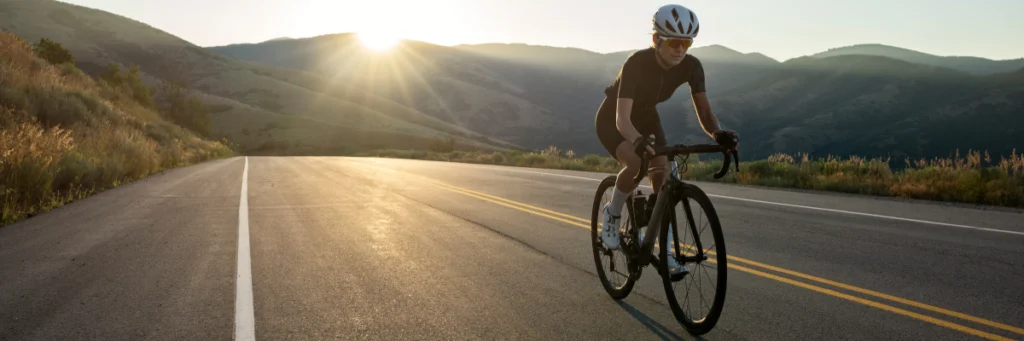
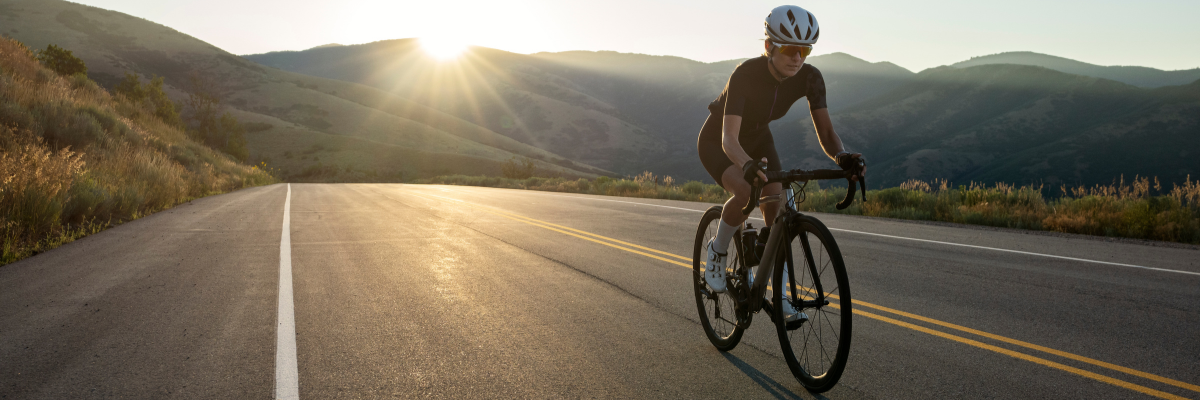
A road bike is comprised of several mechanical assemblies working in coordination. The frame supports the load, the fork directs the front wheel, the drivetrain converts pedalling force into movement, and the tyres maintain contact with the asphalt. Added to these are the brakes and components that determine the rider's posture, such as the handlebars, stem, saddle, or seatpost.
The combination of these components determines the bike's weight, the precision of the gears, braking performance, grip, and the rider's position. This is why two models with a similar appearance can perform very differently on the road. In this guide, we review the main parts and explain the function of each.
Frame and Fork
The frame and fork form the foundation upon which the other components of a road bike are mounted. Their design affects weight, stiffness, stability, and the rider's posture.
- Frame: consists of the top tube, down tube, seat tube, chainstays, and seatstays. Its geometry defines the reach to the handlebars, the stack height, and the wheelbase. A geometry with a lower stack height and longer reach facilitates a lower, more aerodynamic position. A higher front end allows for a more upright posture.
- Materials: aluminium offers a good balance between strength, weight, and price. Carbon fibre allows for adjustments in stiffness and the ability to filter vibrations through the orientation and layout of the fibres, although it typically increases the cost of the bike.
- Fork: connects the front wheel to the frame and transmits the handlebar's movements to the steering. On a road bike, it is rigid and usually made of aluminium or carbon. Its length and offset influence steering precision and stability, especially in corners and descents.
The frame and fork define a large part of the bike's handling, so they should be evaluated as a whole and not as isolated parts.
Wheels and Tyres
The wheels have a major influence on acceleration, stability and how the bike responds on the road. Modern road bikes typically use 700C wheels, although rim depth and tyre width vary depending on their intended use.
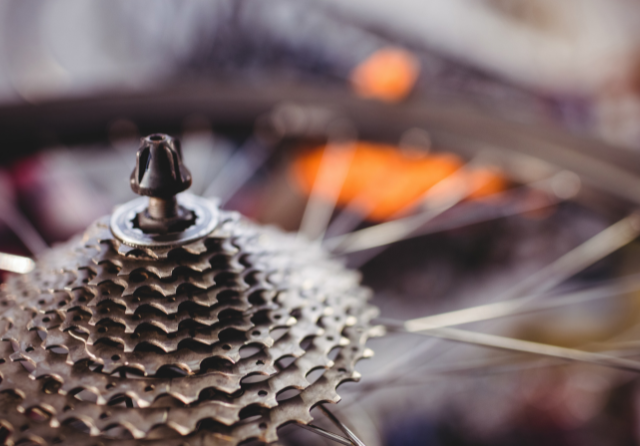
- Rim, spokes and hub: These parts make up the wheel structure. The rear hub contains the freehub body, where the cassette is fitted.
- Rim depth: Shallow-section rims are generally lighter and easier to control in crosswinds. Mid-profile and deep-section rims can provide aerodynamic advantages but are more affected by strong crosswinds and require greater rider control.
- Materials: Aluminium is valued for its durability and affordability. Carbon fibre makes it possible to produce lightweight aerodynamic rims, although at a higher price.
- Tyre width and pressure: Tyre width, rubber compound and inflation pressure all influence grip, comfort and rolling resistance. Modern road bikes tend to use slightly wider tyres than those commonly fitted in previous years.
- Tyre systems: Traditional clincher tyres use an inner tube and are easy to maintain. Tubeless systems eliminate the inner tube and use sealant instead, allowing lower tyre pressures while reducing the risk of pinch punctures.
When choosing tyres for a road bike, check that they are compatible with both the rims and the available clearance in the frame and fork. A correctly matched tyre at the right pressure provides more consistent road contact and more predictable handling.
Drivetrain and Gears
The drivetrain transfers the force applied to the pedals to the rear wheel and allows you to adapt your effort to gradients, speed, and rhythm. The main elements of a road bike drivetrain work in coordination to move the chain between the different gear ratios.
- Crankset: transmits the force from the pedals and rotates the chainrings. On road bikes, double chainring configurations are standard, although single-chainring setups also exist.
- Cassette: contains the cogs on the rear wheel. Large cogs make climbing easier, while small ones allow you to cover more distance with each pedal stroke.
- Chain: connects the chainrings to the cassette. Its width must be compatible with the cassette and the number of speeds in the drivetrain.
- Rear derailleur and front derailleur: the rear derailleur moves the chain between the cogs. In double chainring systems, the front derailleur moves the chain from one ring to another.
- Shifters: integrate the braking and gear-changing controls. Road bike gears can be mechanical, via cables, or electronic.
All these elements must be compatible with one another and well-adjusted for precise shifting and smooth drivetrain operation.
Brakes
Brakes regulate speed and allow you to stop the bike with control. In road cycling, two main systems are used: disc brakes and rim brakes.
- Disc brakes: use a rotor fixed to the hub and a calliper that presses the pads. They offer powerful and progressive braking, with good performance in wet conditions.
- Rim brakes: act directly on the sides of the rim using brake pads. They are simpler and lighter, although their effectiveness can decrease in the rain.
- Levers and actuation: the levers transmit the braking force via cable or a hydraulic circuit, depending on the system. The lever should feel firm and engage the brake before reaching the handlebars.
The type of brake influences feel, power, and maintenance, but in both cases, the adjustment and condition of the parts are decisive for braking safely.
Handlebars, Stem and Headset
These components form the cockpit and connect the rider's hands to the front wheel. Their adjustment affects the posture, control, and precision with which the bike responds.
- Handlebars: road handlebars offer several hand positions: the tops, the hoods, and the drops. Their width and shape determine arm position, aerodynamics, and control on descents.
- Stem: connects the handlebars to the fork steerer tube. Its length and angle modify the reach and height of the handlebars, having a direct effect on posture.
- Headset: consists of the bearings that allow the fork to turn within the frame. It must move smoothly and without play.
- Bar tape: covers the grip area, improves feel, and absorbs some of the vibrations transmitted from the road.
The width of the handlebars and the dimensions of the stem must correspond to the rider's size, posture, and riding style.
Saddle and Seatpost
The saddle and seatpost support part of the rider's weight and determine their position relative to the bottom bracket. Incorrect adjustment can cause discomfort, loss of stability, and less efficient pedalling.
- Saddle: its width and shape should adapt to the width of the sit bones and the rider's posture. The level of padding depends on the type of use and should not compensate for incorrect sizing or adjustment.
- Seatpost: connects the saddle to the frame and allows height adjustment. The seatpost can be straight or incorporate a setback, which modifies the saddle's position relative to the bottom bracket.
- Height and angle: the saddle should be at a height that allows the leg to extend without locking the knee. It should also be kept level or with a very slight tilt, depending on the rider's needs.
The saddle and seatpost should be adjusted as a set, as a few millimetres can notably change your posture and pedalling sensation.
Road Bike Pedals
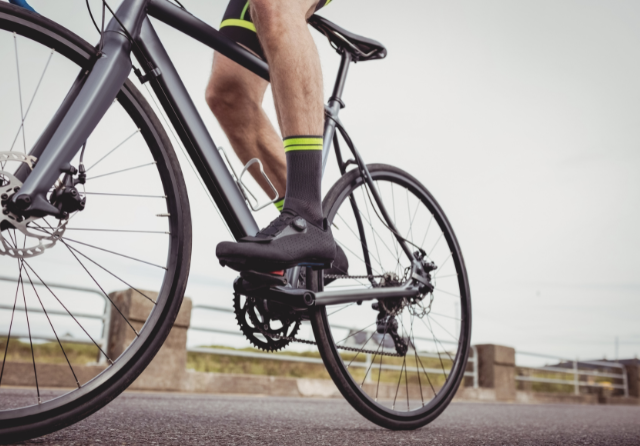
Pedals connect the shoes to the cranks and transmit the force applied by the rider. In road cycling, flat and clipless systems are used, with the latter being the most common for sporting rides.
- Flat pedals: allow you to use any type of footwear and make it easy to put your foot down quickly. They are a simple option for beginners or occasional use.
- Clipless pedals: secure the shoe via a cleat bolted to the sole. They keep the foot in a stable position and allow you to unclip with a twist of the heel.
- Cleats: must be compatible with the road bike pedal and adjusted correctly to avoid forcing the knees, ankles, or hips into an unnatural position.
- Release tension: some models allow you to adjust the force required to unclip. Low tension makes learning easier during the first few rides.
When choosing a road pedal, consider the rider's experience, the type of shoe, and how easily you can clip and unclip your foot.
Get to Know Your Bike Before Riding
Before starting a ride, check that the gears and brakes respond correctly and that the wheels spin without rubbing or play. Any noise or imprecise response may indicate that the bike needs an adjustment.
The size and position must also be adapted to the rider. Saddle height, stem length, or the reach to the levers affect posture and control, even when all other components are functioning correctly. If you are starting out, these tips for using a road bike will help you gain confidence during your first rides.
If you are going to tour Gran Canaria and are not travelling with your own bike, bicycle rental with Scooter and Bike Rental will allow you to choose a model suitable for your size, experience, and type of route. Before setting off, check your position, test the brakes, and shift through several gears to familiarise yourself with the bike.