
A road bike can feel slightly intimidating when you are starting out: narrow tyres, drop handlebars, a more forward-leaning riding position and a pedalling style that differs from riding a city bike or mountain bike. However, with the right bike, a comfortable position and a few easy routes, road cycling is one of the quickest and most enjoyable ways to start exploring on tarmac.
Before setting off on a long ride, it is important to understand a few basics: how to adjust the bike, what equipment to take, how to ride safely and what type of route to choose for your first outings. Starting gradually will help you build confidence, manage your pace more effectively and avoid unnecessary discomfort.
In this article, you will find practical road cycling tips for beginners, guidance on choosing a bike suited to your level and advice on preparing for your first rides. We will also look at when it may be worth hiring a road bike in Gran Canaria before buying one of your own.
What to know before riding a road bike
A road bike is designed to travel efficiently on tarmac. It has narrower wheels, slimmer tyres, a lightweight frame and other essential road bike components intended to reduce rolling resistance. The riding position is also different: your upper body leans further forwards, your hands rest on drop handlebars and your weight is distributed differently across the saddle, pedals and handlebars.
For this reason, if you ride a road bike for the first time without having tried one beforehand, you may notice several things during the first few minutes: more responsive steering, less stability at low speed, different braking behaviour and greater pressure on your hands, neck or back if the bike is not adjusted correctly. You may also select the wrong gear and set off in one that is too high, which is very common when you are still getting used to the bike.
Before heading out on a ride, check these basic points:
- Adjust the saddle height – Your leg should remain slightly bent when the pedal is at its lowest point. A saddle that is too low places extra strain on the knees, while one that is too high reduces control and can cause your hips to rock from side to side.
- Test the steering and brakes – Ride around a quiet area before joining the road. Practise turning, brake gently, apply the brakes more firmly and check how the bike responds.
- Get used to the handlebars – Try different hand positions and see where you feel most secure. Beginners will usually feel most comfortable riding with their hands on the tops or hoods before moving to the lower sections of the handlebars.
- Start in an easy gear – Avoid setting off in a high gear. On your first rides, aim for a smooth cadence that you can maintain without putting excessive strain on your legs.
- Check the tyre pressure – Road bike tyres need the correct pressure to roll efficiently and reduce the risk of punctures. Check them for cuts or visible wear as well.
- Choose an easy first route – Start on roads with smooth tarmac, light traffic and moderate gradients. Steep descents, exposed windy sections and long climbs can wait until you feel more confident handling the bike.
How to choose your first road bike
Your choice of bike will have a major impact on your first road cycling experience. A bike that is too large, an overly aggressive riding position or unsuitable gearing can leave you feeling tense, place too much pressure on your hands and cause you to tire sooner than expected. As a beginner, you need a stable, properly adjusted bike that is designed for riding on tarmac without forcing you into an extreme position.
Consider the following points before choosing:
- Frame size – The bike size should match both your height and inside-leg measurement. If the frame is too large, you will be overstretched when reaching for the handlebars. If it is too small, your position may feel cramped and place strain on your knees, back or neck. Before setting off, check that you can place your hands comfortably on the handlebars, reach the brakes and pedal without rocking your hips. On women’s road bikes, the saddle, frame geometry and contact-point adjustments may also affect comfort.
- Bike geometry – For beginners, an endurance road bike is usually a better choice than a pure racing bike. Endurance geometry places your body in a slightly more upright position, reduces strain on the back and helps you stay in control for longer.
- Gearing – The gears should allow you to maintain a smooth cadence. If you are planning to ride in hilly areas, choose a bike with easier gearing so that you do not need to push too hard on every pedal stroke. On your first rides, cadence matters more than speed.
- Brake type – Disc brakes provide controlled, consistent braking, particularly on descents or wet roads. Before joining the road, test the brakes in a quiet area so you can judge how the bike responds and avoid braking too sharply.
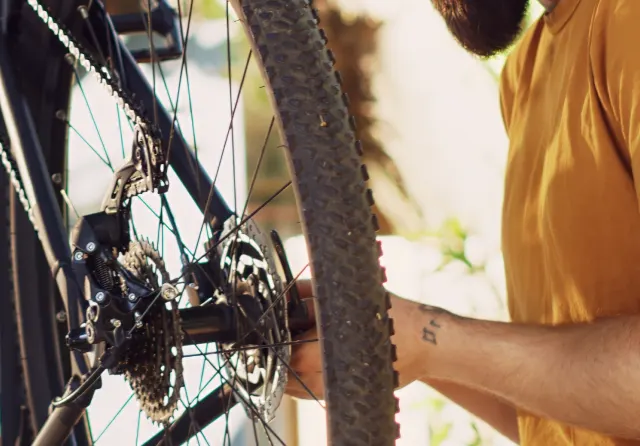
- Overall condition – Check the tyres, tyre pressure, chain, gears, brakes and wheel fastenings. Road bikes make even small faults easy to notice: low tyre pressure, poorly adjusted gears or an incorrectly positioned saddle can affect the ride from the very first kilometre.
- Try before you buy – If you are just starting out and are not yet sure which size, position or type of bike suits you best, hiring a road bike in Gran Canaria before buying your own can be a sensible option.
Riding position and essential road cycling tips
The riding position on a road bike is more forward-leaning than on other types of bicycle. Your upper body sits further forwards, your hands rest on the drop handlebars and your weight is distributed between the saddle, pedals and arms. If you are not used to this position, you may feel pressure in your neck, shoulders, hands or lower back during your first few rides.
Arms and hands
Keep your arms slightly bent rather than locking your elbows. This allows you to absorb uneven surfaces more effectively and prevents excessive tension in your shoulders and neck. Avoid gripping the handlebars too tightly as well, as too much pressure can lead to discomfort in your wrists and fingers.
Hand position
On a road bike, you can place your hands on the tops, the brake hoods or the drops. When starting out, riding on the tops or hoods is usually the most comfortable option. The drops require greater control and can be introduced on later rides.
Looking ahead and anticipating hazards
Keep your eyes focused several metres ahead rather than looking down at the front wheel. This helps you anticipate bends, potholes, cars, pedestrians and changes in the road surface. On the road, being aware of your surroundings is just as important as maintaining your balance.
Pedalling rhythm
Start in an easy gear and aim for a smooth cadence. Pushing a high gear from the outset places unnecessary strain on your legs and causes you to tire more quickly. During your first rides, maintaining a comfortable cadence is more useful than trying to ride fast.
Your first kilometres
There is no need to cover long distances during your first few days. The priority is to become comfortable with the riding position, improve your bike handling and learn to maintain a steady pace without placing too much strain on your body.
Safety and essential equipment for road cycling
Road cycling requires more concentration than riding through a quiet urban area. You share the road with cars, motorbikes and other cyclists, so visibility, anticipation and the condition of your bike are essential. Before setting off, make sure you have the necessary protective cycling equipment and check that the bike is working properly.
Keep the following points in mind:
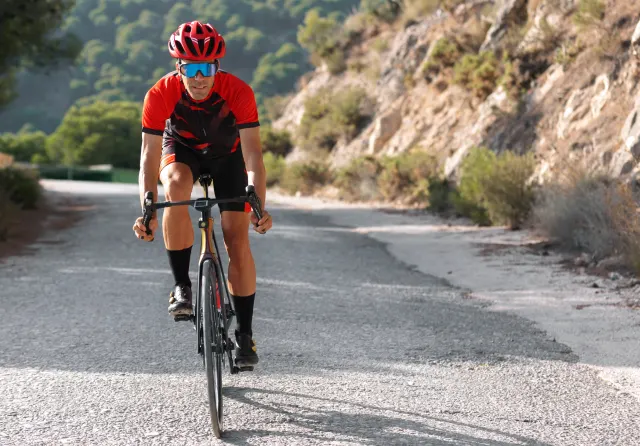
Properly fitted helmet: Your cycling helmet should sit securely and should not move forwards or backwards.
Front and rear lights: Even during the day, lights help other road users spot you sooner, particularly on shaded roads, in short tunnels or when light conditions change.
Visible clothing: On the road, it is important to be easy to see. Bright colours and reflective details are especially useful early in the morning, around sunset or on overcast days.
Cycling glasses: They protect your eyes from wind, sunlight, dust and small insects. At road bike speeds, this protection becomes even more noticeable than on other types of bicycle.
Water and sun protection: In Gran Canaria, even a short ride can become tiring in hot weather or during the middle of the day. Carry water and apply sun cream before setting off.
Basic puncture repair kit: For a slightly longer ride, take a spare inner tube, tyre levers and a small pump or CO₂ cartridge. A puncture can leave you stranded if you do not carry the basic equipment needed to fix it.
Quick bike check: Check the brakes, tyre pressure, wheel fastenings, gears and chain. This only takes a few minutes and helps prevent a minor issue from becoming a bigger problem during the ride.
As well as carrying the right equipment, follow the rules of the road: use the hard shoulder where possible, signal turns in good time, avoid sudden movements and keep a safe distance from other vehicles. On the road, safety depends just as much on how you read your surroundings as on the equipment you carry.
Road bike hire in Gran Canaria
If you are a beginner and are still unsure which type of bike you need, hiring a road bike in Gran Canaria can be a practical way to try one before committing to a purchase.
Scooter and Bike Rental offers racing bikes designed for road cycling and fast-paced routes around the island. Before choosing a model, consider the type of route, the planned distance and your previous experience. For a first ride, it is best to choose one of Gran Canaria’s cycling routes with smooth tarmac, gentle gradients and a comfortable pace.
With a fully checked bike adjusted to your size, your first road cycling experience will be much safer and more enjoyable. At Scooter and Bike Rental, you can hire a bike in Maspalomas, choose the right model, collect it and start cycling around Gran Canaria with everything ready to go.