

Yes, women’s road bikes differ from many men’s models because body shape and riding position are not the same. In general, the proportions between the torso, legs, shoulders and pelvis influence the correct frame size, reach to the handlebars, saddle choice and overall comfort on the road.
For that reason, when choosing a women’s road bike, it is important to consider the frame geometry, riding position, saddle type, handlebar width and how you plan to use the bike. The right model should allow you to ride comfortably, stay in control and avoid unnecessary strain from the very first miles.
How a Women’s Road Bike Differs from a Men’s Model
Although every manufacturer develops its own designs, women’s road bikes often include features intended to improve comfort, control and riding position.
Some of the most common differences compared with a men’s road bike include:
- Frame geometry: A shorter reach reduces the distance to the handlebars, preventing an overly stretched riding position.
- Available sizes: Women’s ranges usually include smaller frame sizes, such as XS and S, making them better suited to shorter riders or those who prefer a more compact position.
- Handlebars: Narrower handlebars are generally better matched to narrower shoulders.
- Saddle: A women-specific saddle provides improved pelvic support and greater comfort on longer rides.
- Stem: A shorter stem brings the handlebars closer, creating a more relaxed riding position.
- Crank arms: Shorter cranks encourage a more natural pedalling motion for riders with shorter legs.
The aim is to ensure the bike matches the rider’s natural position rather than forcing unnecessary compensation through the arms, back or shoulders.
Choosing the Right Women’s Road Bike Size
Frame size affects your riding position, weight distribution and overall control of the bike. On the road, an incorrect size often leads to excessive pressure on the hands, back discomfort, knee pain or reduced confidence on descents and through corners.
Your height is a useful starting point, but it should never be the only measurement you consider. Leg length, torso proportions, reach to the handlebars and overall riding position all play an important role. Two women of the same height may require completely different setups if one has longer legs and a shorter torso, or vice versa.
When selecting the correct size, you should be able to pedal naturally without feeling either cramped or overstretched. You should also be able to reach the brake levers comfortably, rest your hands without strain and remain stable in the saddle.
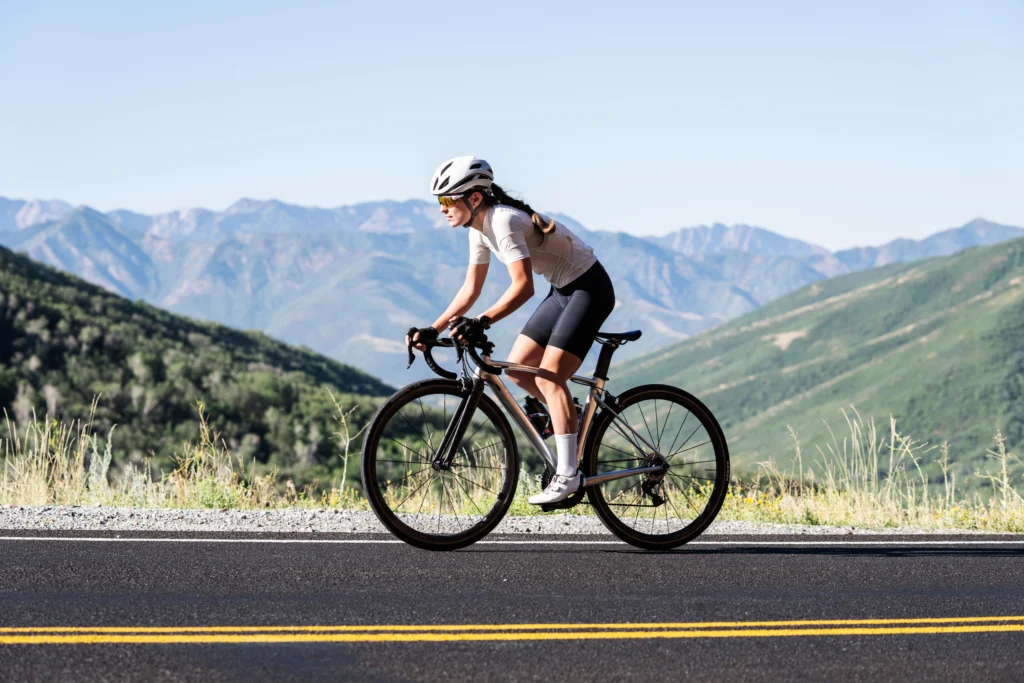
XS and S Sizes on Women’s Road Bikes
XS and S frame sizes are common across many women’s road bike ranges, particularly for shorter cyclists or those who benefit from a more compact riding position. These sizes help shorten the reach to the handlebars and improve control, especially on longer road rides where the same position is maintained for extended periods.
Reach determines how far you need to stretch to hold the handlebars. If it is too long, more weight is transferred onto your hands and shoulders. Stack determines the height of the handlebars in relation to the frame. A slightly taller stack creates a less aggressive riding position, making it ideal for beginners or riders planning longer days in the saddle without putting excessive strain on their back.
The top tube and stem should also be taken into account. An XS frame with a long geometry may actually feel less comfortable than an S frame with more balanced proportions. For that reason, frame size should only be considered a starting point. What really matters is checking the reach to the handlebars, saddle height and brake lever position.
The correct size should allow you to support your hands comfortably, brake without stretching your fingers, keep your shoulders relaxed and pedal without your knees becoming excessively bent or overextended. That is when you know the bike truly fits.
Why Height Alone Doesn’t Determine the Right Size
Height helps narrow down the appropriate frame size, but it doesn’t tell the whole story. On a road bike, riding position also depends on the relationship between your legs, torso and arms, and these proportions vary considerably from one rider to another.
Two women of exactly the same height can require completely different bike setups. Someone with longer legs may achieve the correct saddle height but still feel overstretched if the top tube or reach is too long. Another rider with a longer torso and shorter legs may require a different geometry to reach the handlebars comfortably without closing the pedalling angle too much.
Stack also plays an important role because it determines handlebar height. A lower stack creates a sportier, more aggressive position, while a higher stack allows for a more upright posture, making it ideal for beginners, longer rides or anyone wanting to reduce pressure on the back and shoulders.
For this reason, sizing charts should only be used as an initial guide. The final adjustment must always be checked on the bike itself. The stem, saddle and control positions can compensate for small differences, but they cannot correct a frame that is fundamentally the wrong size.
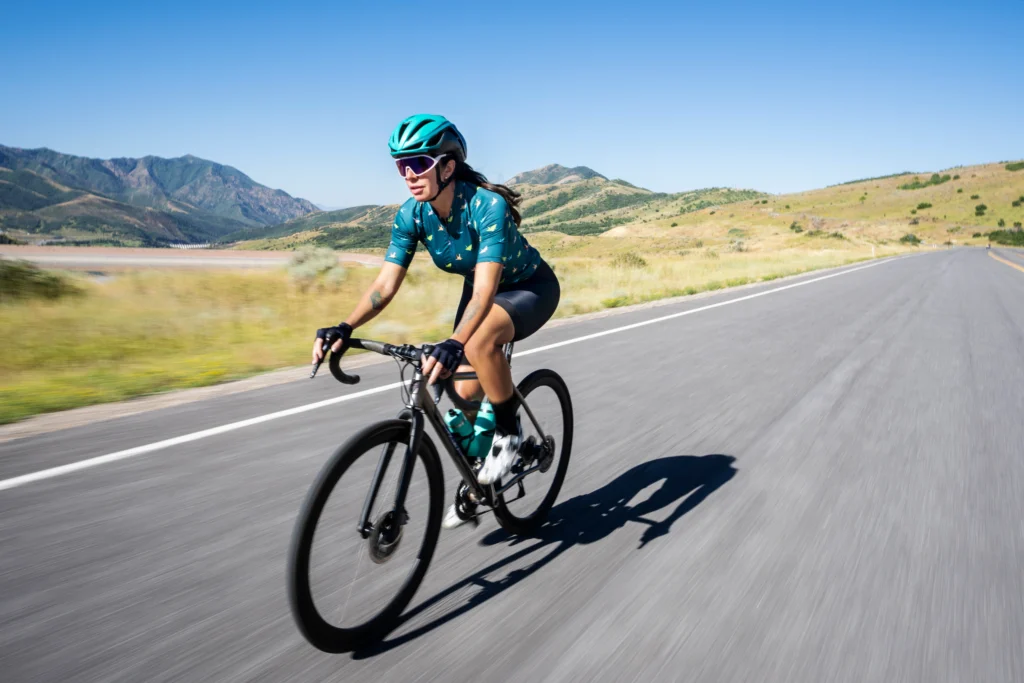
Which Type of Women’s Road Bike Should You Choose?
Once you’ve found the correct size, the next step is deciding how you’ll use the bike. Your experience, the terrain, how often you ride and your budget will all influence your choice.
If you’re just starting out, an entry-level women’s road bike should be stable, comfortable and easy to handle. Choosing lower gearing, a more relaxed frame geometry and user-friendly components will help you build confidence without forcing you into an aggressive riding position from day one.
If you’re looking for greater performance and a lighter bike, a carbon road bike is worth considering. Carbon reduces weight, absorbs more road vibration and delivers a more responsive ride. It’s an excellent option for regular rides, training sessions and hilly routes, although it requires a higher investment and a more accurate frame size.
You may also want to consider an electric road bike if you plan to tackle steeper climbs, ride longer distances or simply finish your route feeling less fatigued. Pedal assistance makes climbing easier and helps you maintain a consistent pace, although it also adds weight and means you should carefully check battery range before setting off.
Buying, Trying or Hiring a Road Bike
Trying different frame geometries before buying a bike is one of the best ways to discover which riding position feels most comfortable. On a road bike, even small changes in geometry, saddle, stem or handlebars become much more noticeable, especially on longer rides.
Buying makes sense if you know you’ll ride regularly and already understand the frame size, material and geometry that suit you. Hiring is an excellent alternative if you’re new to road cycling, only plan occasional rides or want to test a road bike before investing in your own. It is also particularly convenient when travelling, allowing you to enjoy cycling without transporting your own bike while choosing the most suitable model for your planned route.
If you’re visiting Gran Canaria, road bike hire in Maspalomas makes it easy to organise a road cycling trip without bringing your own bike. Before heading out, check the frame size, saddle height and brake lever position to ensure you’re comfortable and fully in control from the very beginning.