Riding a motorcycle is a unique experience: the feeling of freedom, the connection with the road, and the pleasure of every journey are incomparable. But to truly enjoy the ride and travel with peace of mind, you need to prepare your vehicle, study the route, and adapt your riding to the road, the weather, and the duration of the trip.
These tips for travelling by motorcycle will help you organise an outing, tackle a long journey, or prepare for your first route. You will also find specific recommendations for riding with a passenger, riding in the rain, and what to do in the event of a breakdown.
How to prepare your motorcycle for a trip
Before starting any journey, whether short or long, it is essential to ensure that your motorcycle and your gear are in perfect condition. Here are two essential steps you must not overlook:
Basic motorcycle check
Before setting off on your trip, take a few minutes to check the elements that directly influence the safety and operation of the motorcycle. This check should be adapted to the type of vehicle and the expected load.
- Tyre pressure and condition: Check that the pressure is adjusted according to the manufacturer's recommendations and the weight the motorcycle will be carrying. Also check for cuts, cracks, deformations, or excessive tread wear.
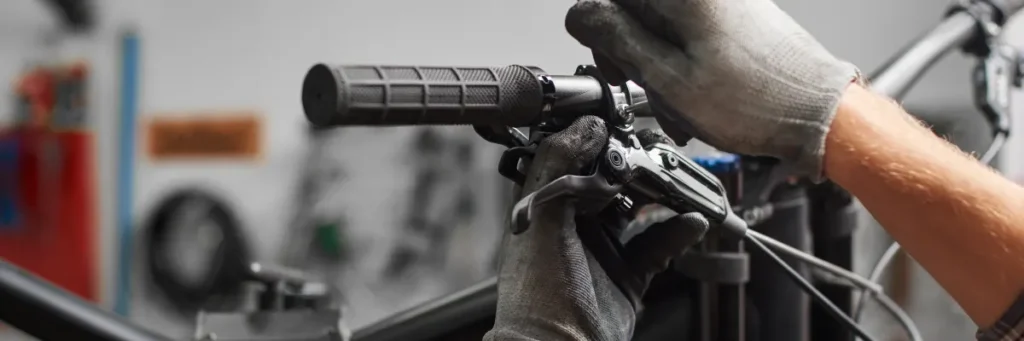
- Brake operation: Operate the front and rear brakes to check that they respond well. Pay attention to any strange noises or an abnormal lever travel.
- Lights and signalling elements: Verify the operation of the front and rear lights, indicators, and brake light. Also check the position of the mirrors and test the horn.
- Oil, fluids, and transmission: If you are using your own motorcycle, check the oil levels and other fluids. On chain-driven models, check the condition, tension, and lubrication.
- Range and charging: On an electric motorcycle, confirm that the battery has sufficient range for the planned route. Locate in advance any charging points you may need during the journey.
- Checks on a rental scooter: Observe if the vehicle has any visible damage and familiarise yourself with its controls. Locate the ignition, seat release, fuel tank, stand, and dashboard indicators before starting your ride.
Essential Riding Gear
Your gear should protect you in the event of a fall and adapt to the temperature and expected conditions during the journey. Before leaving, check that all garments are comfortable, well-fitted, and allow you to move freely.
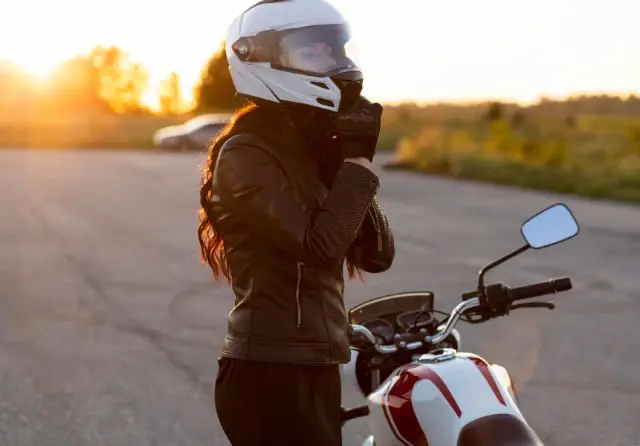
- Approved helmet: Use a helmet of the correct size and always keep it properly fastened. The visor must be clean and free of scratches to maintain good visibility, especially at night or in the rain.
- Motorcycle gloves: Choose gloves that protect your hands and allow you to operate the controls correctly. The thickness and level of ventilation should be adapted to the time of year.
- Jacket with protection: Wear a motorcycle-specific jacket with protection on the shoulders, elbows, and back. It should offer abrasion resistance without restricting movement.
- Resistant trousers: Avoid riding with unprotected legs. Use motorcycle trousers or a resistant garment that completely covers the skin.
- Closed footwear: Use boots or sturdy footwear that covers the ankle and has a grippy sole. This improves protection and makes it easier to support the bike when stopping.
- Waterproof clothing and thermal layer: Include a light waterproof garment and a warm layer if the route crosses areas of different altitudes. The temperature can change within a few kilometres, and additional clothing allows you to adapt without interrupting the trip.
How to Plan a Motorcycle Touring Route
Planning should take into account factors such as distance, road type, gradient, stops, and traffic, which can significantly lengthen an apparently short journey.
Distance, Roads and Breaks
Calculate a realistic duration and add time to rest, refuel, visit villages, or stop at viewpoints. A mountain road with curves requires more attention and can be more tiring than a fast road of the same distance.
Before leaving, check the route and see if there are roadworks, closures, or restrictions. Locate petrol stations, rest areas, and towns where you can stop. Download the map on your mobile phone to consult it if you lose coverage.
If you are preparing your first motorcycle trip, choose a known route or one with simple access. A short outing allows you to see how you respond to the posture, wind, and continuous attention before planning longer journeys.
What to Pack and How to Secure Your Luggage
Bring water, some food, sunscreen, documentation, a mobile phone, a charger, and a waterproof garment. Add only what is necessary to avoid overloading.
Use the top box, side panniers, or the compartments provided by the manufacturer. Heavy objects should be kept low, centred, and well secured. Distribute the weight evenly and check that no straps can get near the wheel, exhaust, or transmission.
Do not hang bags from the handlebars. They can limit steering, hit your legs, or alter handling. A light backpack may work for a short trip, but a heavy load on your back increases fatigue and can be dangerous in a fall.
After travelling the first few kilometres, stop in a safe place and check that the luggage is still well positioned.
Documents, Fuel and Navigation
Carry your driving licence, identity document, and the documentation required for the vehicle. In a rental motorcycle, also keep the contract and the assistance phone number.
Check the insurance conditions and who is authorised to drive. Foreign travellers must confirm before booking if their licence is valid in Spain or if they need additional documentation.
Do not push your fuel tank to the limit during a tourist route. Consumption can increase with a passenger, luggage, wind, or slopes. Refuel with a margin when you are going to be riding through areas with few services.
Tips for Your First Motorcycle Trip
Your first route should allow you to gain experience without accumulating fatigue or facing situations that exceed your riding level.
Choose an attainable distance and avoid including too many stops or visits in a single day. Try out the gear beforehand to ensure that the helmet, gloves, and clothing do not cause discomfort after a period of use.
Ride for a few kilometres with the luggage loaded before starting the trip. This will allow you to detect any movement, vibrations, or changes in how the motorcycle handles.
Check the weather forecast and avoid taking a new route in heavy rain, strong wind, or extreme temperatures. Inform someone else of your planned itinerary, especially if you are travelling by motorcycle alone.
During the route, keep to your own pace. Do not try to follow more experienced riders or speed up to make up for lost time. It is better to reduce the distance than to continue with fatigue or a lack of concentration.
Motorcycle Riding Tips for the Open Road
Road riding requires anticipation and constant reading of the environment. Increased speed reduces the time available to react.
Safe Following Distance and Visibility
Maintain a sufficient separation from the vehicle in front of you. That distance should increase in rain, wind, low light, or with a heavy load.
Position yourself in an area of the lane where other drivers can detect you easily. Avoid staying next to a car or lorry for too long, especially in their blind spots.
Keep your lights on and use clothing with reflective elements when visibility is reduced. Before overtaking, ensure you have sufficient space, visibility, and power to complete the manoeuvre.
Anticipation, Corners and Road Surface
Observe vehicles that might join the road or change lanes in advance. Pay special attention to indicators, speed variations, and lane changes, as these can anticipate a manoeuvre.
Reduce speed before entering a corner and maintain a stable trajectory. Braking sharply while the motorcycle is leaning can destabilise it.
On gravel, sand, potholes, or uneven pavement, decrease your speed and avoid sudden movements of the handlebars. Hold the motorcycle firmly, but without keeping your arms rigid.
When overtaking heavy vehicles, prepare for the change in air pressure. The wind can push the motorcycle as you approach the lorry and displace it again when you exit its zone of protection.
Tips for Long Motorcycle Journeys
Long trips require planned breaks. Waiting until you feel exhausted increases the risk of errors and reduces your ability to react.
Take a break approximately every hour and a half or two hours, although you can stop sooner if tension appears in your shoulders, discomfort in your hands, drowsiness, or difficulty concentrating.
Drink water frequently and avoid heavy meals during the route. Heat, wind, and roads with many curves increase physical exertion, even if the average speed is low.
Use the stops to walk for a few minutes, move your arms and legs, and check the luggage. You can also check the condition of the tyres and detect any potential leaks or damage.
Divide the journey into reasonable stages. A tourist route should leave time to visit places, rest, and respond to any delays without increasing speed.
Riding in Rain, Wind or Hot Weather
Weather can change the grip, visibility, and effort required to control the motorcycle. Adjust your route and speed to the actual road conditions.
In rain, accelerate progressively and brake gently. Increase your safety distance and reduce speed before corners. Painted lines, metal covers, and grilles can become very slippery.
The first drops can mix with dust, oil, and dirt accumulated on the asphalt. During those minutes, ride with extra caution.
Use waterproof clothing, water-resistant gloves, and a helmet with a clean visor. If the visor fogs up, stop in a safe place before attempting to fix it.
With crosswinds, reduce speed and maintain a stable grip on the handlebars. Pay attention when exiting tunnels, overtaking lorries, or passing through open areas.
On hot days, use ventilated gear, drink water, and avoid the hours of highest temperature. Sun exposure and dehydration can cause fatigue and loss of concentration.
What to Do if Your Motorcycle Breaks Down
A breakdown requires getting away from traffic and calling for help without exposing yourself to other vehicles.
Reduce speed progressively and stop the motorcycle in a safe place. Turn off the engine and move away from the carriageway whenever possible.
If you are riding a rental motorcycle, do not dismantle parts or attempt repairs. Call the assistance service and provide the exact location, a description of the problem, and any warning lights appearing on the dashboard.
If you get lost, stop before checking your phone. Continuing while looking for directions increases the risk of performing an unexpected manoeuvre.
Explore Gran Canaria by Scooter
A scooter allows you to tour the villages, beaches, and tourist areas of Gran Canaria with greater freedom of schedule. Before you leave, adapt the route to your experience, check the forecast, and take mountain roads into account.
At Scooter and Bike Rental, you can rent a scooter motorcycle to get around the island and receive information about the vehicle, rental conditions, and available assistance. Check your documentation, ask any questions before starting your journey, and enjoy the route with responsible riding.